It’s that time of year again, the glorious season when daylight hours are the longest and darkness hours are the shortest. Of course, what is required is an appropriate L&U top ten to soundtrack the summertime. Well, look no further, as I have compiled just that. However, this time, I have changed the format a little; instead of a ranked top ten albums with a choice track from each, here we go straight to the songs, and in this case, there are twelve to enjoy.
Some familiar stuff is here, particularly to those who have engaged with my previous compilations, and I’ve also included material that I’ve wanted to get on to a list for some time now. In terms of mood, I’ve again gone for an ‘English pastoral’ vibe, so I hope you enjoy the mellow selections on a suitably balmy day.
With that said, locate yourself outside to somewhere careful, bring along your relaxant of choice, and luxuriate in the sounds of L&U’s ‘Summer – The Album’.
A YouTube playlist is available
Berry Hayward Consort, ‘Sumer Is Icumen In’
We start with an instrumental version of ‘Sumer is icumen in’, a medieval English round — or rota — of the mid-thirteenth century also known as the ‘Summer Canon’ and the ‘Cuckoo Song’. The line translates approximately to ‘Summer has come’ or ‘Summer has arrived’, and is written in the Wessex dialect of Middle English.
Without doubt the earliest tune I’ve ever included on a compilation, it has been revamped by the likes of folk-rock stalwart Richard Thompson, who used it to open his excellent 1000 Years of Popular Music in 2003.
In an interesting trivia note — and linking back to my weird kids’ TV piece — in the programme Bagpuss, the mice sing a song called ‘The Mouse Organ Song (We Will Fix It)’ to a tune adapted from ‘Sumer Is Icumen In’. Never let it be said that I don’t have all the useless facts to hand. You wouldn’t get this sort of stuff on a Bob Stanley compilation, that’s for certain.
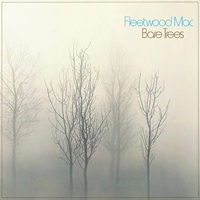
Fleetwood Mac, ‘Sunny Side of Heaven’ (1972)
A wonderfully melodic instrumental penned by soon-to-depart guitarist Danny Kirwan from the Mac’s underrated Bare Trees album. That record was recorded at the band’s communal house ‘Benifold’ located in the Hampshire village of Bordon (for more see last year’s ‘Getting it together in the country’ piece).
As I’ve written before, I find this middle-period Mac — between the departure of Peter Green in 1970 and the arrival of Stevie Nicks and Lyndsay Buckingham in 1975 — to be much underrated, including some of the band’s most interesting West Coast-influenced material before they actually got there.
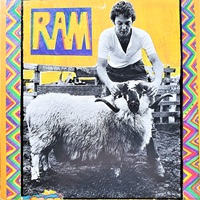
Paul & Linda McCartney, ‘Heart of the Country’ (1971)
From the album Ram, regarded by many as Macca’s finest solo hour, ‘Heart of the Country’ (which was also the B-side of the single ‘The Back Seat of My Car’) is a lovely song about his search for rural bliss and is a splendid folk -jazz number that sounds great in the sunshine.
In 2013, Rolling Stone magazine ranked it at number 26 in its list of McCartney’s best post-Beatles songs.
Trivia note: Macca and Elvis Costello re-recorded the song (with Mark Ronson producing) in 2013 for a commercial featuring late wife Linda’s vegetarian recipe book

Family, ‘My Friend the Sun’ (1972)
A mellower side to Family’s usual output, ‘My Friend the Sun’ (from the 1972 album Bandstand) saw the band move towards a more commercial sound. Much of the album also employed the first-rate talents of Linda Lewis on backing vocals. While sadly not on this track, Lewis recorded a cover of it on her 1977 Woman Overboard album.
Released as a single in 1972, ‘My Friend the Sun’ didn’t make the UK singles chart but is a fan favourite and an irresistible slice of early 1970s prog-folk. Delicious. (Do remember to check out the Linda Lewis version here.)
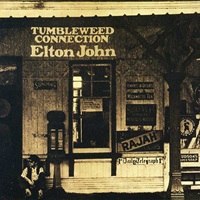
Elton John, ‘Love Song’ (1970)
I’ve been trying to get Elton’s Tumbleweed Connection (for me, his real masterpiece) into a top ten for a while now, and here I finally get the chance. ‘Love Song’ is a rare case of a track not written by John and Bernie Taupin, but in this instance by singer-songwriter Lesley Duncan. A quiet, acoustic-based piece, with touches of the Crosby, Stills and Nash sound, it’s a perfect summer number where one can almost feel a warm breeze.
Trivia note: ‘Love Song’ was covered by more than 150 other artists, including David Bowie in 1968. Both Duncan’s and Elton’s version of the song were featured in the folk horror film Men (2022).
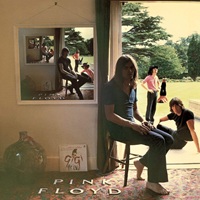
Pink Floyd, ‘Grantchester Meadows’ (1969)
The best song of the studio part of the double album Ummagumma, here Roger Waters delivers a beautiful pastoral and dream-like ode to Grantchester Meadows in Cambridgeshire, an area familiar to him, and where David Gilmour lived nearby at the time. In a portent of the use of sound effects that would adorn the band’s later and best-known material, a tape loop of a skylark sings in the background throughout, and the sound of a swan taking off from a river is also included. (Listen out for the fly swat at the end of the track.)
One of the several early-period Floyd songs that evoke and celebrate the English countryside, ‘Grantchester Meadows’ is a lovely summer piece, and a particular favourite of author and broadcaster Stuart Maconie.
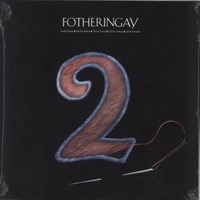
Fotheringay, ‘Two Weeks Last Summer’ (1970)
Summer days I’ll float downstream,
Wondering where the day has been.
Boats that sail away at night,
Come the dawn,
Have sailed far out of sight.
Written by Dave Cousins, and originally recorded by Sandy Denny with The Strawbs in 1968, ‘Two Weeks Last Summer’was later revamped in 1970 for Fotheringay’s (Denny’s short-lived band formed on leaving Fairport Convention) second album, Fotheringay 2, which was unreleased until 2007.
It’s a poignant reflection on the fleeting nature of a summer romance. Denny’s vocals achingly recount memories of a brief, intense relationship that has now faded into the past, and the track is a bittersweet summer folk beauty.
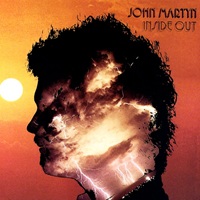
John Martyn, ‘So Much in Love’ (1975)
John Martyn is, of course, a regular on my top tens, and here I just couldn’t resist including the hazy, shimmering and stoned ‘So Much in Love With You’ from 1973’s jazzy, cosmic Inside Out. With the languorous sax playing of Traffic’s Chris Wood, it’s perfect for those hot ‘high’ summer nights. ’Nuff said.
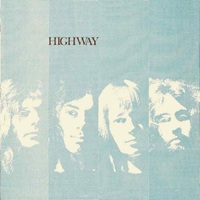
Free, ‘Lying in the Sunshine’ (1969)
There was more to Free than ‘All Right Now’ and crunching blues-rock riffs. ‘Lying in the Sunshine’ (from their second, eponymous album) is a lovely acoustic paean to lazing on a sunny day and a sign of what was to come later with the introspective Highway in 1970.
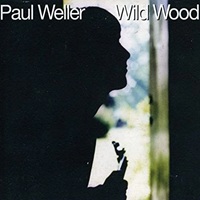
Paul Weller, ‘Shadow of the Sun’ (1993)
Hanging out in the countryside making music with your friends and getting stoned – what could be better?
Paul Weller, 2010
The epic ‘Shadow of the Sun’is for me, the highpoint of Weller’s 1993 classic comeback, Wild Wood, a joyous whomping exaltation of the bucolic and a glorious rebirth. The influence of Traffic, John Martyn, Ronnie Lane and Nick Drake are all over the record, and everything comes together in this track.
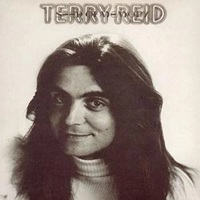
Terry Reid, ‘Fooling You’ (1976)
Huntingdon-born Reid was one of the best vocalist Britain ever produced, although he never really got the public recognition he deserved. Leaving the UK for the sunnier surroundings of California in the early 1970s, he made the classic River (1973) which was followed by the brilliant Seed of Memory in 1976. Produced by Graham Nash, the album includes many of Reid’s finest songs, closing with this twilight gem, all electric piano and saxophone, drifting downstream into the night.
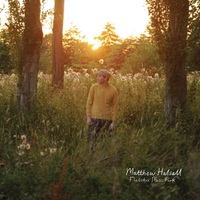
Matthew Halsall, ‘Fletcher Moss Park’ (2012)
Influenced by Miles Davis’ modal period and the later ‘spiritual jazz’ of John Coltrane, Manchester-based trumpeter Halsall made one of the best records of his career with 2012’s Fletcher Moss Park.
The album was inspired by the bucolic surroundings of Fletcher Moss Park in suburban Didsbury, which was donated to the city of Manchester in 1919 by Alderman Fletcher Moss, a well-known philanthropist. The park includes a walled rock garden laid out by the botanist Robert Wood Williamson plus a variety of wildlife habitats. The area provided Halsall with a respite from the rush of city life, and Fletcher Moss Park (particularly the title track) works very well on a hot summer’s day. Fine, contemporary British jazz.
see also:
Discover more from Lion & Unicorn
Subscribe to get the latest posts sent to your email.
